By Marcello Cherchi, MD PhD
For patients
Charcot-Marie-Tooth (CMT) disease is a nerve disease that is genetic (can be passed from generation to generation). CMT can cause weakness in the legs, which may make you feel unsteady. CMT often causes hearing loss, and sometimes damages inner ear balance function. Your doctor may check several tests of hearing and balance to figure out whether CMT is the cause of unsteadiness and/or hearing loss.
For clinicians
Overview
Charcot-Marie-Tooth (CMT) disease is a heterogeneous group of genetically-mediated peripheral sensorimotor neuropathies, and comprise the most common hereditary peripheral neuropathy. Different subtypes have different modes of transmission, and different combinations of axonal and/or demyelinating features. CMT can cause disequilibrium by virtue of its sensorimotor deficits, but some subtypes also have features of vestibular weakness; less commonly reported features include cerebellar and autonomic deficits. CMT can also cause sensorineural hearing loss that is usually, but not always, approximately symmetrical and gradually progressive. Otovestibular tests may reveal vestibular weakness (such as on video head impulse testing, caloric testing or cervical vestibular evoked myogenic potentials). If a CMT patient is referred to a vestibular medicine clinic, it is medically reasonable to undertake a screening otovestibular workup to seek more common causes of disequilibrium, before concluding that CMT is the exclusive cause of disequilibrium. There is not yet any curative or arrestive therapy. However, in CMT patients found to have vestibular weakness, a trial of vestibular rehabilitation therapy is reasonable.
Introduction
Charcot-Marie-Tooth (CMT) disease is a heterogeneous group of genetically-mediated peripheral sensorimotor neuropathies.
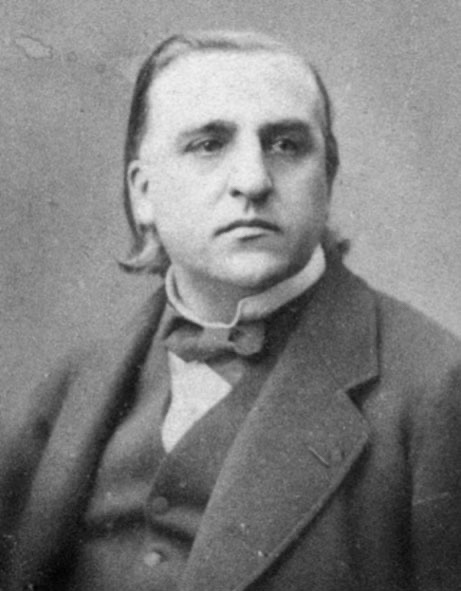
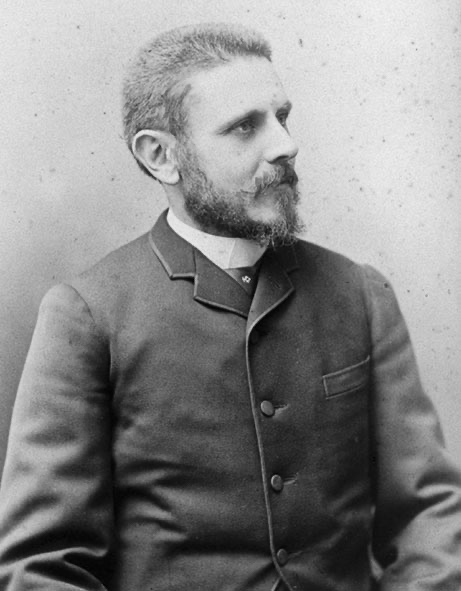
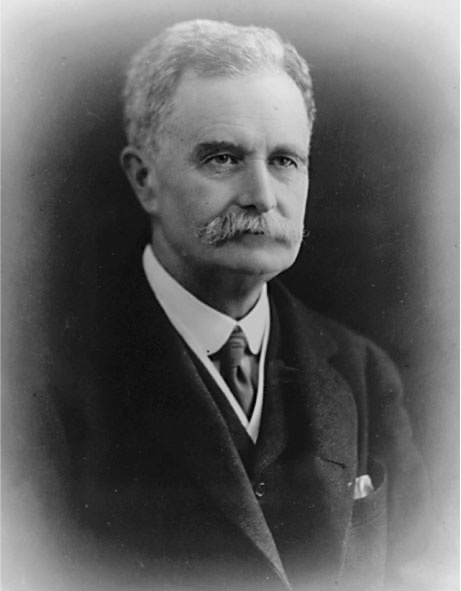
This taxonomy of neuropathies is eponymously designated in recognition of the work of Jean-Martin Charcot and Pierre Marie (Charcot and Marie 1886), and Howard Henry Tooth (Tooth 1886), who described it nearly simultaneously. However, as various historians of medicine have commented (Brody and Wilkins 1967; Kazamel and Boes 2015), these were preceded by numerous earlier descriptions (Eichhorst 1873; Schulze 1884; Virchow 1855).
The Figures below are from Kazamel and Boes (Kazamel and Boes 2015).
 |
 |
 |
Epidemiology
Taking all of the subtypes together, CMT has a reported prevalence of 1 in 2500 people (Barreto et al. 2016). CMT comprises the most common hereditary neuropathy (Barreto et al. 2016).
Genetics
Several dozen neuropathies are classified under taxonomy of CMT. Different subtypes of CMT have different modes of inheritance. The mutated genes encode proteins expressed in axonal structures, myelin and gap junctions.
Pathophysiological mechanism of disease
The genetic mutations interfere with proteins whose structural and functional abnormalities result in various combinations of axonal and demyelinating features.
CMT type 2J has been reported to cause autonomic (specifically parasympathetic) neuropathy (Tokuda et al. 2015).
CMT type 4C has been reported to cause cerebellar dysfunction (Skott et al. 2019).
There is evidence that some subtypes of CMT can involve cranial nerves (Pareyson et al. 2000). Perhaps unsurprisingly, this can also affect the vestibulocochlear nerve.
Vestibular deficits have been reported in several types of CMT (Akdal et al. 2021; Pérez-Garrigues et al. 2014; Poretti et al. 2013).
These features suggest that CMT can cause disequilibrium through several mechanisms.
- Perhaps the most obvious mechanism is the peripheral neuropathy. The sensory neuropathy may manifest as a sensory ataxia. The motor neuropathy can cause weakness.
- Vestibular weakness (from affectation of the vestibular nerves) can also contribute significantly to the symptom of disequilibrium.
- Cerebellar dysfunction (in CMT type 4C) may contribute to ataxia.
- Autonomic dysfunction (in CMT type 2J) may provoke orthostatic intolerance.
Sensorineural hearing loss has been reported in association with numerous CMT subtypes (Alcin et al. 2000; Cornell et al. 1984; Duan et al. 2016; Hamiel et al. 1993; Hamsho et al. 2024; Joo et al. 2004; Kousseff et al. 1982; Maeda et al. 2015; Meng et al. 2019; Musiek et al. 1982; Papadakis et al. 2003; Sambuughin et al. 2003; Seeman et al. 2004; Sharma et al. 2021; Sivera et al. 2017; Spaans et al. 2009; Stojkovic et al. 1999; Synofzik et al. 2014; Verhagen et al. 2005).
Clinical presentation
Sensorineural hearing loss can occur in many subtypes of CMT. This can be an early clinical feature, appearing in childhood (Hamsho et al. 2024; Maeda et al. 2015; Spaans et al. 2009; Stojkovic et al. 1999), sometimes in infancy (Hamiel et al. 1993; Sivera et al. 2017).
In most cases of CMT with sensorineural hearing loss, the deficit appears insidiously, is slowly progressive, and approximately symmetrical. Rarely, the hearing loss is sudden (Papadakis et al. 2003) or asymmetrical (Sivera et al. 2017).
Physical examination
Patients with CMT eventually develop muscular atrophy in the legs. Station often exhibits a wide base, and gait may have a “slapping” quality.
Ocular motor examination
There is no literature describing bedside ocular motor findings that are sensitive or specific for CMT.
Testing: auditory
In patients with CMT who have hearing loss, the majority appear to have bilateral sensorineural hearing loss on standard audiometry.
In some cases, auditory brainstem evoked responses may not be obtainable (Meng et al. 2019).
There is rarely reported evidence of central auditory deficits in CMT (Musiek et al. 1982).
Testing: vestibular
Various CMT subtypes have been reported to exhibit vestibular weakness on video head impulse testing (Akdal et al. 2021), caloric testing (Pérez-Garrigues et al. 2014) and/or cervical vestibular evoked myogenic potentials (Poretti et al. 2013).
Testing: other
Electromyography and nerve conduction velocities in CMT patients show various combinations of axonal and demyelinating neuropathic features.
Imaging
Imaging plays little role in CMT except to help exclude competing diagnoses.
Histopathology
A temporal bone study of a patient with CMT type 1B reported pathologic myelin of the vestibulocochlear nerves (Nadol et al. 2018).
Differential diagnosis
The usual scenario in clinical practice is that a patient already diagnosed with CMT is referred to an otoneurology or neurotology clinic for a complaint of disequilibrium, and the implicit question is whether the CMT alone is responsible for that symptom.
Although CMT in isolation can cause disequilibrium, these patients are just as susceptible to more common vestibular disorders, such as benign paroxysmal positional vertigo, vestibular neuritis, etc., so it is reasonable to undertake a screening workup, seeking treatable causes of this symptom.
It is uncommon for an otoneurologist or neurotologist to diagnose CMT. However, if an undiagnosed patient presents to an otoneurology or neurotology clinic and physical examination is compatible with peripheral sensorimotor neuropathy, then referral to a neuromuscular specialist is appropriate, particularly if there is a family history suggestive of peripheral neuropathy.
Treatment
There is not yet any curative or arrestive therapy for CMT.
In patients with CMT found to have vestibular weakness, a trial of vestibular rehabilitation therapy is reasonable.
Prognosis
The different subtypes of CMT have different tempos of progression.
References
Akdal G, Koçoğlu K, Tanrıverdizade T, Bora E, Bademkıran F, Yüceyar AN, Ekmekçi Ö, Şengün İ, Karasoy H (2021) Vestibular impairment in Charcot-Marie-Tooth disease. J Neurol 268: 526-531. doi: 10.1007/s00415-020-10186-x
Alcin B, Vatovec J, Zargi M (2000) Pure tone audiogram and speech audiometry in patients with hereditary motor and sensory neuropathy. Pflugers Arch 439: R202-3.
Barreto LC, Oliveira FS, Nunes PS, de Franca Costa IM, Garcez CA, Goes GM, Neves EL, de Souza Siqueira Quintans J, de Souza Araujo AA (2016) Epidemiologic Study of Charcot-Marie-Tooth Disease: A Systematic Review. Neuroepidemiology 46: 157-65. doi: 10.1159/000443706
Brody LA, Wilkins RH (1967) Charcot-Marie-Tooth disease. Arch Neurol 17: 552-7. doi: 10.1001/archneur.1967.00470290106015
Charcot J-M, Marie P (1886) Sur une forme particulière d’atrophie musculaire progressive, souvent familiale débutant par les pieds et les jambes et atteignant plus tard les mains. Revue médicale 6: 97-138.
Cornell J, Sellars S, Beighton P (1984) Autosomal recessive inheritance of Charcot-Marie-Tooth disease associated with sensorineural deafness. Clin Genet 25: 163-5. doi: 10.1111/j.1399-0004.1984.tb00479.x
Duan X, Gu W, Hao Y, Wang R, Wen H, Sun S, Jiao J, Fan D (2016) A Novel Asp121Asn Mutation of Myelin Protein Zero Is Associated with Late-Onset Axonal Charcot-Marie-Tooth Disease, Hearing Loss and Pupil Abnormalities. Front Aging Neurosci 8: 222. doi: 10.3389/fnagi.2016.00222
Eichhorst H (1873) Ueber Heredität der progressiven mukelatrophie. Berl Klin Wochenschr 10: 497-499.
Hamiel OP, Raas-Rothschild A, Upadhyaya M, Frydman M, Sarova-Pinhas I, Brand N, Passwell JH (1993) Hereditary motor-sensory neuropathy (Charcot-Marie-Tooth disease) with nerve deafness: a new variant. J Pediatr 123: 431-4. doi: 10.1016/s0022-3476(05)81752-4
Hamsho S, Almohamed A, Haydar H, Alsaffaf Y, Sultan E, Sukkar Y, Kazkz W (2024) Bilateral hearing impairment as an early symptom in a patient with Charcot-Marie-Tooth Type 1: the first case report from Syria. Ann Med Surg (Lond) 86: 3139-3145. doi: 10.1097/MS9.0000000000001979
Joo IS, Ki CS, Joo SY, Huh K, Kim JW (2004) A novel point mutation in PMP22 gene associated with a familial case of Charcot-Marie-Tooth disease type 1A with sensorineural deafness. Neuromuscul Disord 14: 325-8. doi: 10.1016/j.nmd.2004.02.009
Kazamel M, Boes CJ (2015) Charcot Marie Tooth disease (CMT): historical perspectives and evolution. J Neurol 262: 801-5. doi: 10.1007/s00415-014-7490-9
Kousseff BG, Hadro TA, Treiber DL, Wollner T, Morris C (1982) Charcot-Marie-Tooth disease with sensorineural hearing loss–an autosomal dominant trait. Birth Defects Orig Artic Ser 18: 223-8.
Maeda Y, Kataoka Y, Sugaya A, Kariya S, Kobayashi K, Nishizaki K (2015) Steroid-dependent sensorineural hearing loss in a patient with Charcot-Marie-Tooth disease showing auditory neuropathy. Auris Nasus Larynx 42: 249-53. doi: 10.1016/j.anl.2014.11.002
Meng L, Wang K, Lv H, Wang Z, Zhang W, Yuan Y (2019) A novel mutation in PRPS1 causes X-linked Charcot-Marie-Tooth disease-5. Neuropathology 39: 342-347. doi: 10.1111/neup.12589
Musiek FE, Weider DJ, Mueller RJ (1982) Audiologic findings in Charcot-Marie-Tooth disease. Arch Otolaryngol 108: 595-9. doi: 10.1001/archotol.1982.00790570061015
Nadol JB, Jr., Hedley-Whyte ET, Amr SS, JT OAM, Kamakura T (2018) Histopathology of the Inner Ear in Charcot-Marie-Tooth Syndrome Caused by a Missense Variant (p.Thr65Ala) in the MPZ Gene. Audiol Neurootol 23: 326-334. doi: 10.1159/000495176
Papadakis CE, Hajiioannou JK, Kyrmizakis DE, Bizakis JG (2003) Bilateral sudden sensorineural hearing loss caused by Charcot-Marie-Tooth disease. J Laryngol Otol 117: 399-401. doi: 10.1258/002221503321626465
Pareyson D, Taroni F, Botti S, Morbin M, Baratta S, Lauria G, Ciano C, Sghirlanzoni A (2000) Cranial nerve involvement in CMT disease type 1 due to early growth response 2 gene mutation. Neurology 54: 1696-8. doi: 10.1212/wnl.54.8.1696
Pérez-Garrigues H, Sivera R, Vílchez JJ, Espinós C, Palau F, Sevilla T (2014) Vestibular impairment in Charcot-Marie-Tooth disease type 4C. J Neurol Neurosurg Psychiatry 85: 824-7. doi: 10.1136/jnnp-2013-307421
Poretti A, Palla A, Tarnutzer AA, Petersen JA, Weber KP, Straumann D, Jung HH (2013) Vestibular impairment in patients with Charcot-Marie-tooth disease. Neurology 80: 2099-105. doi: 10.1212/WNL.0b013e318295d72a
Sambuughin N, de Bantel A, McWilliams S, Sivakumar K (2003) Deafness and CMT disease associated with a novel four amino acid deletion in the PMP22 gene. Neurology 60: 506-8. doi: 10.1212/01.wnl.0000044048.27971.fc
Schulze (1884) Ueber eine Eigenthümliche Progressive Atrophische Paralyse bei Mehreren Kindern derselben Familie. Berlin Klin Wschr 21: 649-651.
Seeman P, Mazanec R, Huehne K, Suslíková P, Keller O, Rautenstrauss B (2004) Hearing loss as the first feature of late-onset axonal CMT disease due to a novel P0 mutation. Neurology 63: 733-5. doi: 10.1212/01.wnl.0000134605.61307.de
Sharma G, Zaman M, Sabouny R, Joel M, Martens K, Martino D, de Koning APJ, Pfeffer G, Shutt TE (2021) Characterization of a novel variant in the HR1 domain of MFN2 in a patient with ataxia, optic atrophy and sensorineural hearing loss. F1000Res 10: 606. doi: 10.12688/f1000research.53230.2
Sivera R, Cavalle L, Vílchez JJ, Espinós C, Pérez Garrigues H, Sevilla T (2017) Audiological Findings in Charcot-Marie-Tooth Disease Type 4C. J Int Adv Otol 13: 93-99. doi: 10.5152/iao.2017.3379
Skott H, Muntean-Firanescu C, Samuelsson K, Verrecchia L, Svenningsson P, Malmgren H, Cananau C, Espay AJ, Press R, Solders G, Paucar M (2019) The cerebellar phenotype of Charcot-Marie-Tooth neuropathy type 4C. Cerebellum Ataxias 6: 9. doi: 10.1186/s40673-019-0103-8
Spaans F, Faber CG, Smeets HJ, Hofman PA, Braida C, Monckton DG, de Die-Smulders CE (2009) Encephalopathic attacks in a family co-segregating myotonic dystrophy type 1, an intermediate Charcot-Marie-Tooth neuropathy and early hearing loss. J Neurol Neurosurg Psychiatry 80: 1029-35. doi: 10.1136/jnnp.2008.170126
Stojkovic T, Latour P, Vandenberghe A, Hurtevent JF, Vermersch P (1999) Sensorineural deafness in X-linked Charcot-Marie-Tooth disease with connexin 32 mutation (R142Q). Neurology 52: 1010-4. doi: 10.1212/wnl.52.5.1010
Synofzik M, Müller vom Hagen J, Haack TB, Wilhelm C, Lindig T, Beck-Wödl S, Nabuurs SB, van Kuilenburg AB, de Brouwer AP, Schöls L (2014) X-linked Charcot-Marie-Tooth disease, Arts syndrome, and prelingual non-syndromic deafness form a disease continuum: evidence from a family with a novel PRPS1 mutation. Orphanet J Rare Dis 9: 24. doi: 10.1186/1750-1172-9-24
Tokuda N, Noto Y, Kitani-Morii F, Hamano A, Kasai T, Shiga K, Mizuta I, Niwa F, Nakagawa M, Mizuno T (2015) Parasympathetic Dominant Autonomic Dysfunction in Charcot-Marie-Tooth Disease Type 2J with the MPZ Thr124Met Mutation. Intern Med 54: 1919-22. doi: 10.2169/internalmedicine.54.4259
Tooth HH (1886) The peroneal type of progressive muscular atrophy. H.K. Lewis, London
Verhagen WI, Huygen PL, Gabreëls-Festen AA, Engelhart M, van Mierlo PJ, van Engelen BG (2005) Sensorineural hearing impairment in patients with Pmp22 duplication, deletion, and frameshift mutations. Otol Neurotol 26: 405-14. doi: 10.1097/01.mao.0000169769.93173.df
Virchow R (1855) Ein Fall von progressiver Muskelatrophie. Archiv für pathologische Anatomie und Physiologie und für klinische Medicin 8: 537-540. doi: 10.1007/BF01936110
