By Marcello Cherchi, MD PhD
For patients
The Epstein-Barr virus (EBV) can cause many symptoms. Most people have heard of EBV as the cause of infectious mononucleosis. A few patients with EBV complain of disequilibrium, though it is not known how (or whether) the infection can cause this symptom.
For clinicians
Overview
Some patients affected with the Epstein-Barr virus (EBV) develop meningitis, encephalitis or cerebellitis. Some patients with EBV complain of disequilibrium, but the mechanism of this symptom is unclear. Since some EBV patients exhibit ocular motor abnormalities that potentially localize to the cerebellum, and since some patients with EBV are found to have cerebellitis, it is possible (though still unproven) that EBV impacts the vestibular system by adversely affecting cerebellar function.
Introduction
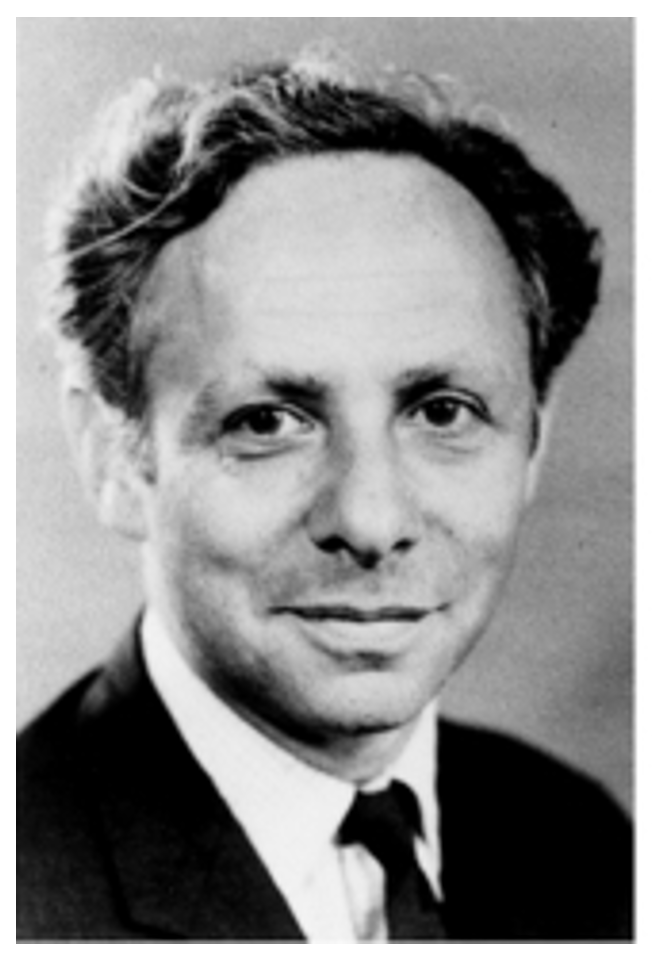
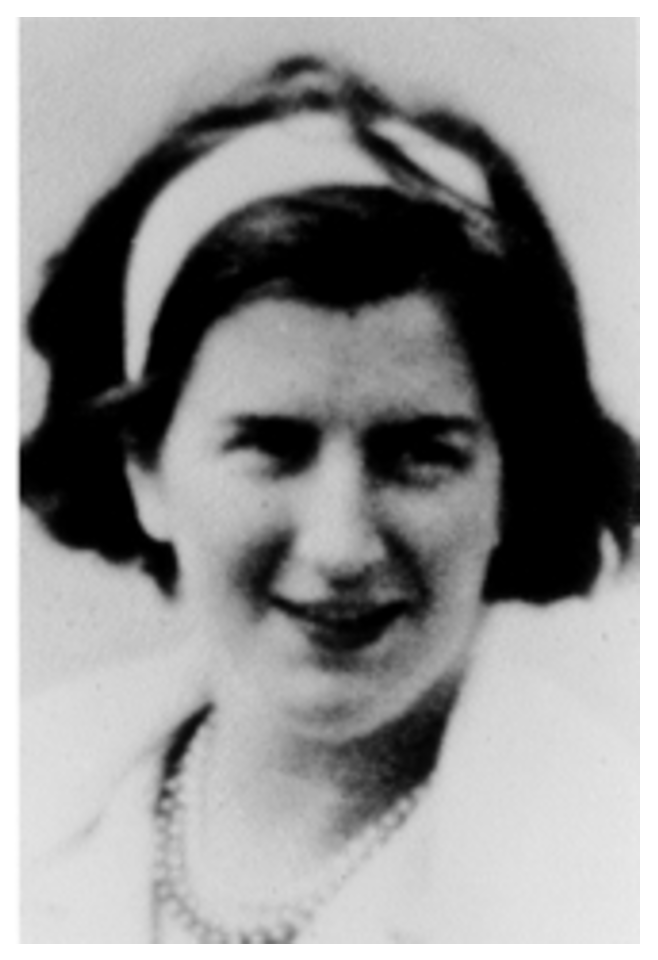
The Epstein-Barr virus (EBV) is the eponymous designation for the human herpes virus 4 (HHV4), a double-stranded DNA virus. The virus was first described by the English pathologist and virologist, Dr. Michael Anthony Epstein (b. 1921), and the English virologist, Dr. Yvonne M. Barr (1932 – 1916), in several publications in which they isolated virus particles from cultured Burkitt lymphoma cells (Epstein, Achong, Barr 1964; Epstein and Barr 1964; Epstein et al. 1965).
Figures: Michael Anthony Epstein and Yvonne M. Barr. From Epstein (Epstein 2012).
 |
 |
Epidemiology
EBV is endemic among humans. Most infected humans are asymptomatic, but some develop complications such as infectious mononucleosis, nasopharyngeal carcinomas, and hematologic malignancies (B‑cell lymphomas, T‑cell lymphomas, Hodgkin’s lymphoma).
Pathophysiological mechanism of disease
EBV is capable of causing meningitis (Wade et al. 2021), encephalitis (Hussain and Hussain 2013) and cerebellitis (D’Ambrosio, Khalighinejad, Ionete 2020; Del Giudice et al. 2023; Wade et al. 2021). Potential mechanisms include inflammation as a direct effect of infection, or inflammation as a para-infectious process.
The mechanism by which EBV infection might cause disequilibrium is unclear. There are a handful of studies that describe nystagmus occurring in the context of EBV, suggesting that EBV or its downstream effects may adversely impact the vestibular system.
We will see below that some patients with EBV develop periodic alternating nystagmus (PAN) and down beat nystagmus. Since these eye movements can both result from cerebellar dysfunction, and since post-EBV cerebellitis has been described (D’Ambrosio, Khalighinejad, Ionete 2020; Del Giudice et al. 2023; Wade et al. 2021), it is plausible that the mechanism by which EBV provokes disequilibrium is through cerebellar affectation, though this remains conjectural.
Clinical presentation
We have encountered patients with laboratory-confirmed EBV infection who complain of disequilibrium, which can manifest days or months after the apparent infection.
Ocular motor examination
D’Ambrosio and colleagues (D’Ambrosio, Khalighinejad, Ionete 2020) report a patient with post-EBV cerebellitis, and Hussain and colleagues (Hussain and Hussain 2013) report a patient with EBV encephalitis; these reports both document the finding of “bilateral nystagmus,” without further description.
Del Giudice and colleagues (Del Giudice et al. 2023) report a patient with post-EBV cerebellar ataxia, and document periodic alternating nystagmus (PAN).
Wade and colleagues (Wade et al. 2021) report a patient with EBV-associated meningitis and cerebellitis, and document down beat nystagmus.
Testing: vestibular
As of this writing there were no peer-reviewed publications of instrumented otovestibular studies on patients infected with EBV complaining of disequilibrium.
Treatment
Treatment of EBV infection is largely symptomatic. In acute infection, acyclovir may be helpful; the use of corticosteroids is controversial. There is no clear treatment for latent infection.
References
D’Ambrosio E, Khalighinejad F, Ionete C (2020) Intravenous immunoglobulins in an adult case of post-EBV cerebellitis. BMJ Case Rep 13. doi: 10.1136/bcr-2019-231661
Del Giudice E, Mondì F, Bazzanella GR, Marcellino A, Martucci V, Pontrelli G, Sanseviero M, Pavone P, Bloise S, Martellucci S, Carraro A, Ventriglia F, Lichtner M, Lubrano R (2023) Post-Infectious Acute Cerebellar Ataxia Treatment, a Case Report and Review of Literature. Children (Basel) 10. doi: 10.3390/children10040668
Epstein A (2012) Burkitt lymphoma and the discovery of Epstein-Barr virus. Br J Haematol 156: 777-9. doi: 10.1111/j.1365-2141.2011.09008.x
Epstein MA, Achong BG, Barr YM (1964) Virus Particles in Cultured Lymphoblasts from Burkitt’s Lymphoma. Lancet 1: 702-3. doi: 10.1016/s0140-6736(64)91524-7
Epstein MA, Barr YM (1964) Cultivation in Vitro of Human Lymphoblasts from Burkitt’s Malignant Lymphoma. Lancet 1: 252-3. doi: 10.1016/s0140-6736(64)92354-2
Epstein MA, Henle G, Achong BG, Barr YM (1965) Morphological and Biological Studies on a Virus in Cultured Lymphoblasts from Burkitt’s Lymphoma. J Exp Med 121: 761-70. doi: 10.1084/jem.121.5.761
Hussain RS, Hussain NA (2013) Ataxia and Encephalitis in a Young Adult with EBV Mononucleosis: A Case Report. Case Rep Neurol Med 2013: 516325. doi: 10.1155/2013/516325
Wade CA, Toupin DN, Darpel K, Jones K, Lightner D (2021) Downbeat Nystagmus in a 7-Year-Old Girl With Epstein-Barr Virus-Associated Meningitis and Cerebellitis. Child Neurol Open 8: 2329048X211000463. doi: 10.1177/2329048X211000463
